In a world where environmental consciousness is becoming increasingly pivotal, even the realm of tactical gear is embracing sustainable practices. Tactical bags, once solely associated with ruggedness and durability, are now evolving to incorporate eco-friendly materials and manufacturing processes. This shift towards sustainability aligns with global environmental goals and caters to a growing demand for responsible and ethical consumer choices.
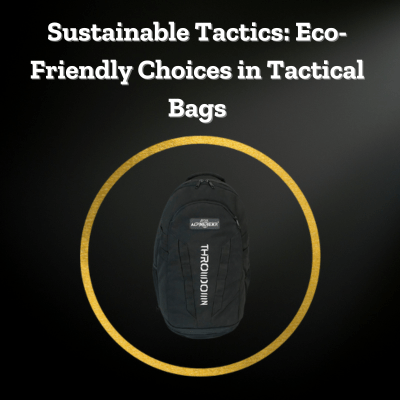
In this article, we explore the emergence of eco-friendly tactical bags and the sustainable tactics shaping the future of tactical gear.
1. Eco-Friendly Materials:
The foundation of sustainable tactical bags lies in the materials used. Traditional bag materials like nylon are being replaced or supplemented with eco-friendly alternatives such as recycled polyester, organic cotton, and even innovative plant-based fabrics. These materials reduce the reliance on virgin resources and minimize the environmental impact of production.
2. Recyclability and Repurposing:
Sustainable tactical bags are designed with the end of their lifecycle in mind. Manufacturers are now considering the recyclability of materials and encouraging consumers to dispose of their bags responsibly. Some brands are even exploring ways to repurpose old bags, transforming them into new products to reduce waste.
3. Minimalist Designs for Resource Efficiency:
The sustainability ethos extends to the design philosophy of eco-friendly tactical bags. Minimalist designs contribute to resource efficiency, focusing on essential features and omitting unnecessary components. This approach reduces the ecological footprint and aligns with the principles of a circular economy.
4. Reduced Chemical Usage:
Manufacturers of sustainable tactical bags are reconsidering the chemicals used in the production process. Environmentally friendly dyes and finishes are becoming more commonplace, minimizing the release of harmful substances into the environment. It protects the planet and ensures that the bags are safe for users.
5. Ethical Manufacturing Practices:
Beyond materials, sustainability in tactical bags extends to ethical manufacturing practices. Brands are increasingly adopting fair trade standards, ensuring workers along the supply chain are treated fairly and in safe conditions. This commitment to ethical practices aligns with the broader sustainability and social responsibility principles.
6. Durability and Longevity:
Sustainable tactics also involve creating products that stand the test of time. Eco-friendly tactical bags are designed to be durable, ensuring they have a longer lifespan and don’t contribute to a disposable culture. This approach emphasizes quality over quantity, reducing the need for frequent replacements.
7. Certification Standards:
Look for tactical bags that adhere to recognized certification standards for sustainability. Certifications such as Bluesign and Global Organic Textile Standard (GOTS) ensure that the production process meets stringent environmental and social criteria. Choosing bags with these certifications gives consumers confidence in the product’s sustainability claims.
8. Community and Environmental Initiatives:
Many brands are extending their commitment to sustainability beyond their products. Some engage in community and environmental initiatives, such as reforestation or waste reduction programs. By supporting brands involved in such initiatives, consumers actively contribute to positive change.
9. Transparency and Consumer Education:
Brands committed to sustainable tactics are transparent about their practices. They communicate openly about the materials they use, their manufacturing processes, and their overall sustainability goals. Educating consumers about the environmental impact of their choices empowers them to make informed decisions.
10. Innovations in Sustainable Technology:
The future of sustainable tactical bags may involve continuous innovation. Brands are exploring new technologies, such as bio-based materials and advanced recycling methods, to reduce their products’ ecological footprint further. These technological advancements signal a promising future for eco-friendly tactical gear.
Are there any ongoing innovations in sustainable technology within tactical bags?
Potential ongoing innovations in sustainable technology for tactical bags might include:
Bio-Based Materials: Continued exploration and utilization of materials derived from renewable resources, such as bio-based plastics or plant-derived fibers.
Advanced Recycling Methods: Innovations in recycling technologies to improve the efficiency of recycling processes, reducing waste and resource consumption.
Smart Textiles: Integrating sustainable smart textiles that offer advanced functionalities while maintaining eco-friendly characteristics.
Waterless Dyeing Techniques: Development of methods that use minimal water or alternative eco-friendly dyeing technologies to reduce water consumption and minimize chemical waste.
Nanotechnology for Durability: Application of sustainable nanotechnologies to enhance the durability and performance of materials, potentially extending the lifespan of tactical bags.
Upcycling and Circular Design: Implement circular design principles, incorporating upcycled or repurposed materials in producing tactical bags.
Carbon-Neutral Manufacturing: Efforts to achieve carbon neutrality in manufacturing, utilizing renewable energy sources and offsetting carbon emissions.
Innovative Fasteners and Components: Development of sustainable alternatives for zippers, buckles, and other fasteners, potentially using recycled or biodegradable materials.
Conclusion:
In conclusion, sustainable tactics in the realm of tactical bags are reshaping the industry, offering environmentally conscious consumers an array of choices. As the demand for eco-friendly products continues to grow, tactical gear manufacturers are adapting and embracing sustainable practices, contributing to a greener and more responsible future for the industry. Choosing a sustainable tactical bag is not just about readiness for your missions; it’s about preparedness to protect the planet.
 Technical SEO Agency
Leave a comment