The leather biker jacket symbolizes rebellion, rugged individualism, and timeless style. From its origins in the early 20th century to its ubiquitous presence in contemporary fashion, this iconic garment has evolved significantly while retaining its distinctive allure.
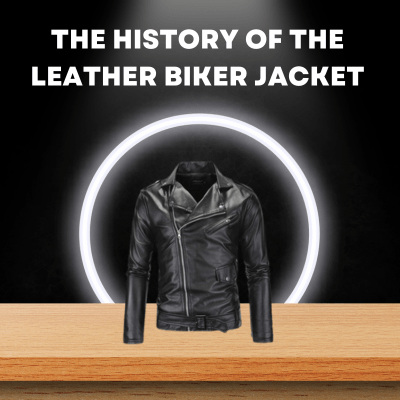
Let’s delve into the rich history of the leather biker jacket and explore how it has become a cultural icon.
Early Beginnings:
The origins of the leather biker jacket can be traced back to the early 1900s when motorcycles first gained popularity. As motorcycle culture emerged in the 1920s and 1930s, riders needed durable, protective outerwear. Brands like Harley-Davidson and Indian Motorcycle began producing leather jackets designed for motorcyclists, emphasizing functionality with features like sturdy zippers, snug collars, and durable leather to protect against road rash.
The Marlon Brando Effect:
Thanks to Hollywood, the leather biker jacket gained mainstream attention and iconic status. In 1953, Marlon Brando immortalized the coat in the film “The Wild One,” in which he portrayed the rebellious and brooding motorcycle gang leader Johnny Strabler. Brando’s portrayal ignited a cultural fascination with the rugged and edgy image associated with the leather biker jacket, solidifying its place as a symbol of counterculture and defiance.
From Rebellion to Fashion Statement:
Throughout the 1950s and 1960s, the leather biker jacket continued to be associated with rebellious youth subcultures, including rockers and greasers. Bands like The Ramones and The Sex Pistols adopted the jacket as part of their signature style, further cementing its status in the punk rock movement. Its association with nonconformity and rebellion made it a favourite among those who sought to challenge societal norms.
High Fashion and Enduring Influence:
By the 1970s, designers began incorporating the leather biker jacket into high fashion collections, transforming it from a symbol of rebellion into a versatile fashion statement. Designers like Gianni Versace and Jean-Paul Gaultier reinterpreted the classic silhouette with luxurious materials and innovative designs, appealing to a broader audience beyond motorcycle enthusiasts.
Iconic Moments and Cultural Impact:
Over the decades, the leather biker jacket has remained a fixture in popular culture, appearing in films, music videos, and on the backs of countless celebrities. Its versatility allows it to transcend trends, maintaining its appeal across generations. From James Dean to David Beckham, icons of style have embraced the leather biker jacket, showcasing its enduring appeal and adaptability.
Modern Interpretations and Sustainability:
In recent years, there has been a resurgence of interest in vintage and sustainable fashion, leading to a renewed appreciation for the craftsmanship and durability of leather biker jackets. Brands increasingly focus on ethical sourcing and production methods, ensuring these timeless garments are cherished for years.
How did motorcycles influence the early development of the leather biker jacket?
Motorcycles played a pivotal role in shaping the early development of the leather biker jacket, primarily influencing its design, functionality, and cultural significance. Here’s how motorcycles contributed to the evolution of this iconic garment:
Protection and Durability: As motorcycles gained popularity in the early 20th century, riders needed protective gear suitable for long rides. Leather, known for its toughness and abrasion resistance, emerged as the material of choice for jackets. The thick hide provided a barrier against wind, road debris, and potential injuries in accidents.
Functional Design: Leather biker jackets were designed with practical features tailored to the needs of motorcyclists. These included asymmetrical zippers, snap-down collars, and zippered cuffs. These elements not only helped shield riders from the elements but also ensured the jacket stayed secure and comfortable during rides.
Iconic Silhouette: The distinctive silhouette of the leather biker jacket, characterized by its snug fit, cropped length, and tailored shoulders, was influenced by the ergonomic needs of motorcyclists. The close fit prevented flapping in the wind, while the cropped length ensured freedom of movement without interference from the jacket.
Cultural Symbolism: Beyond its practical benefits, the leather biker jacket quickly symbolized rebellion and counterculture. Motorcycle clubs and gangs adopted the jacket as part of their uniform, emphasizing a sense of camaraderie and identity. This association with nonconformity and independence contributed to the jacket’s enduring appeal as a cultural icon.
Conclusion:
The leather biker jacket journey from functional outerwear for motorcyclists to a cultural and fashion icon reflects its enduring appeal and timeless cool. With its roots deeply embedded in rebellion and individualism, this iconic garment continues to evolve while maintaining its distinctive edge. Whether worn for protection on the open road or as a statement piece in urban fashion, the leather biker jacket symbolizes confidence, style, and enduring craftsmanship.
 Technical SEO Agency
Leave a comment